Spruce Tree Removal in Allentown, PA
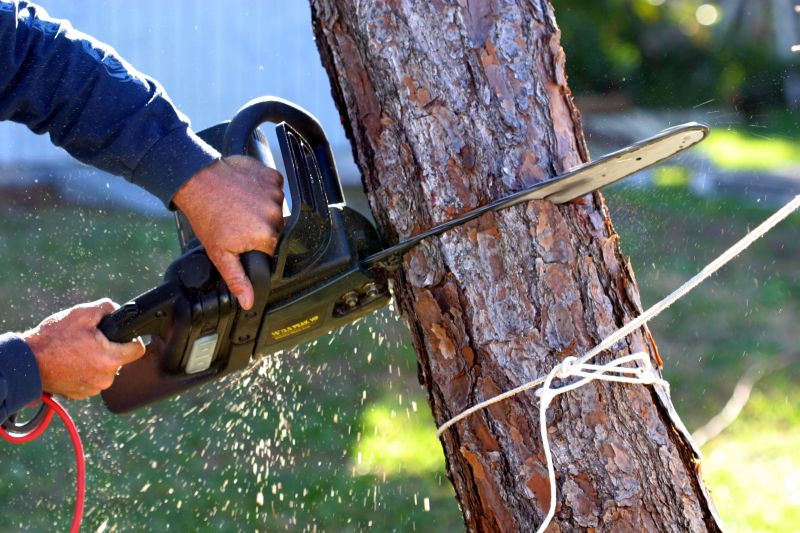
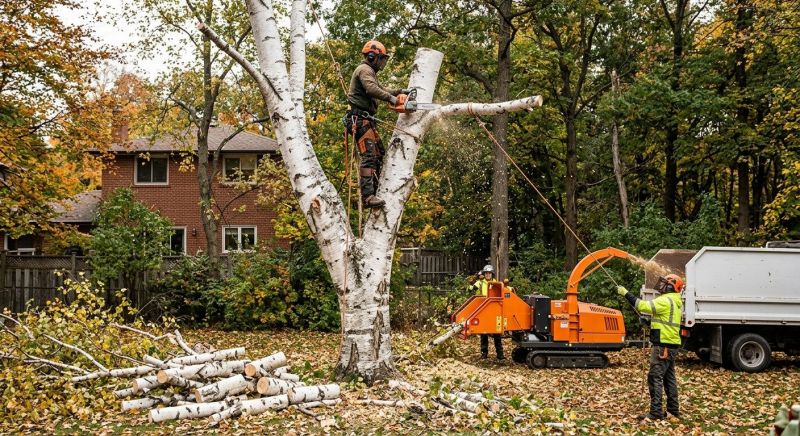
Spruce tree removal services involve the careful cutting and extraction of spruce trees that are dead, diseased, damaged, or pose a risk to nearby structures and property. These projects typically include assessing the tree’s condition, safely felling it, and removing the debris from the site. Homeowners often request this service when a tree shows signs of decay, becomes unstable, or has been affected by storms, ensuring the safety and aesthetic appeal of their property are maintained.
Before requesting spruce tree removal, property owners should consider factors such as the size and location of the tree, proximity to power lines, buildings, or other trees, and any local regulations or permits that may be required. Understanding these details can help facilitate a smooth process and ensure that the removal work complies with relevant guidelines. Proper planning and assessment are important steps in managing tree removal projects effectively.
Many property owners in Allentown, PA look into Spruce Tree Removal for repairs, replacements, upgrades, and appearance-related improvements.
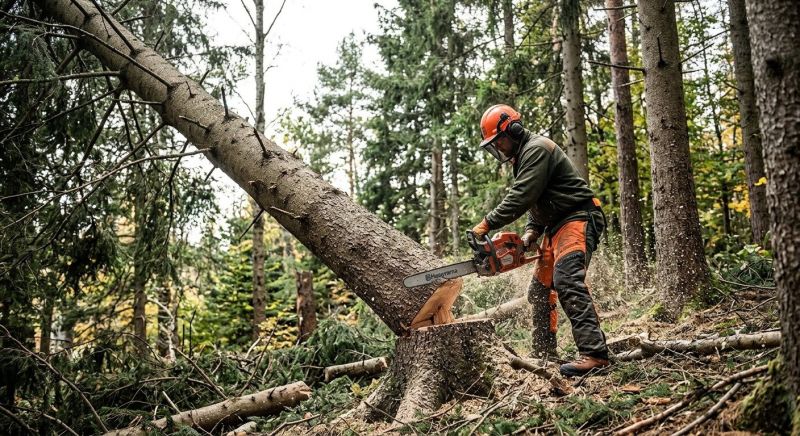
Tree Removal For Safety And Clearance
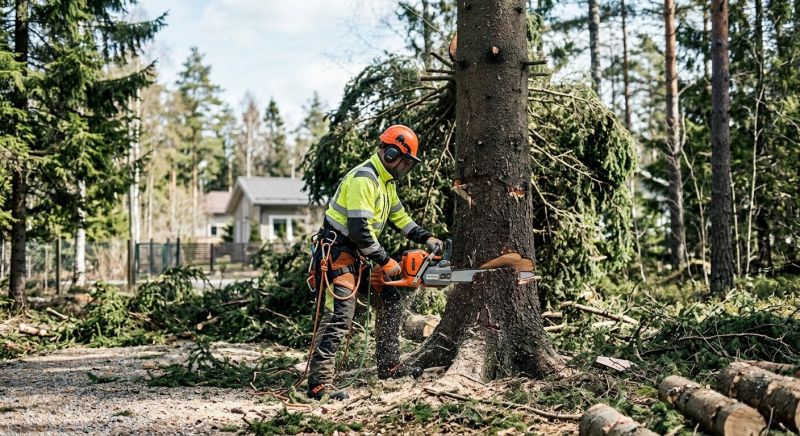
Removing damaged or overgrown spruces helps prevent hazards and improves your property's accessibility.
Enhancing Landscape Appearance
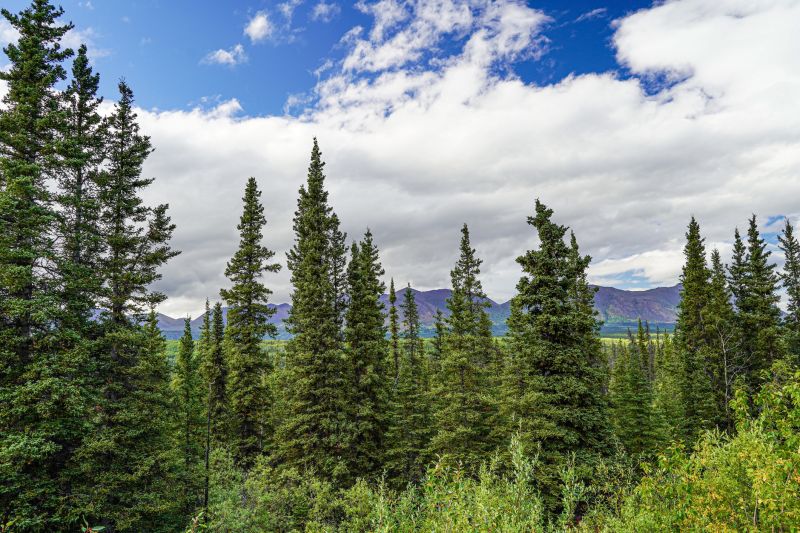
Strategic spruce tree removal can refresh your yard and create space for new landscaping features.
Preparing For Property Improvements
Clearing out unwanted spruces supports construction, fencing, or other outdoor projects in allentown and nearby areas.
Spruce Tree Removal in Allentown, PA

Spruce tree removal services involve the careful cutting and extraction of spruce trees that are dead, diseased, damaged, or pose a risk to nearby structures and property. These projects typically include assessing the tree’s condition, safely felling it, and removing the debris from the site. Homeowners often request this service when a tree shows signs of decay, becomes unstable, or has been affected by storms, ensuring the safety and aesthetic appeal of their property are maintained.
Before requesting spruce tree removal, property owners should consider factors such as the size and location of the tree, proximity to power lines, buildings, or other trees, and any local regulations or permits that may be required. Understanding these details can help facilitate a smooth process and ensure that the removal work complies with relevant guidelines. Proper planning and assessment are important steps in managing tree removal projects effectively.
Many property owners in Allentown, PA look into Spruce Tree Removal for repairs, replacements, upgrades, and appearance-related improvements.
Common Spruce Tree Removal Jobs
Tree removal - safely takes down dead or hazardous trees to protect property.
Stump grinding - removes tree stumps to improve yard safety and appearance.
Emergency tree removal - handles urgent situations caused by storm damage or fallen trees.
Selective tree removal - removes specific trees to improve landscape health and growth.
Tree thinning - reduces tree density to promote healthier growth and prevent overgrowth.
Hazardous tree assessment - evaluates trees for potential risks and recommends removal if needed.
Spruce Tree Removal Questions
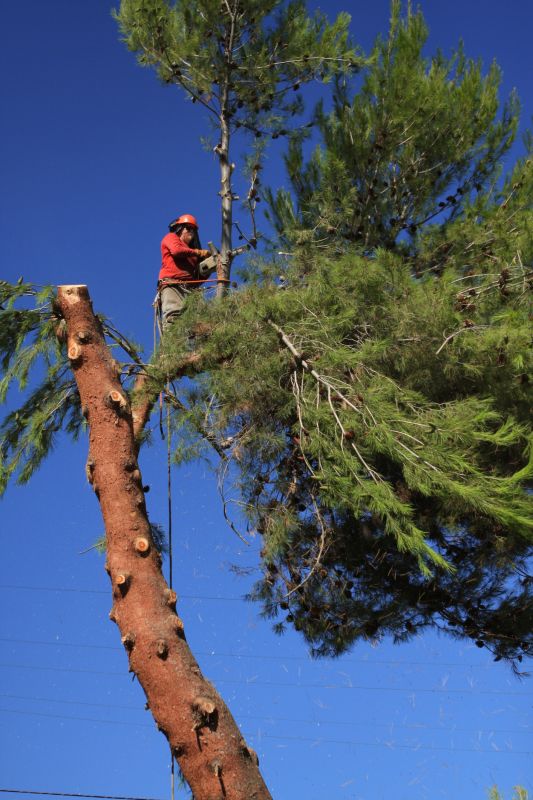
When is it necessary to remove a spruce tree? Removal may be needed if the tree shows signs of disease, damage, or poses a safety risk due to location or stability.
What are common reasons for removing a spruce tree? Common reasons include disease, pest infestation, storm damage, or interference with property structures.
How does the removal process typically work? The process involves assessing the tree, safely cutting it down, and properly disposing of the debris.
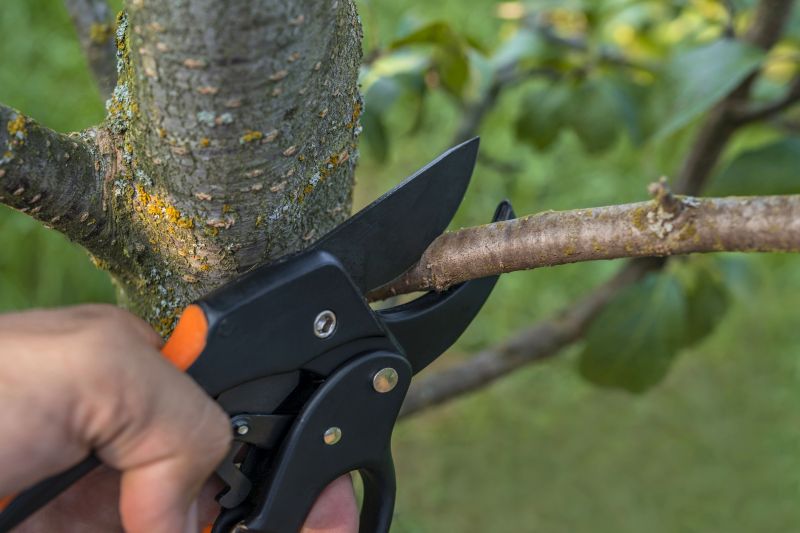
Are there alternatives to removing a spruce tree? Alternatives include pruning or health treatments, but removal is recommended if the tree is beyond recovery or safety concerns exist.
Request Spruce Tree Removal in Allentown, PA
Use the quote form on this page to share the basics of your project and request more information for the type of work you need.