Optimal Timing for Pine Tree Removals
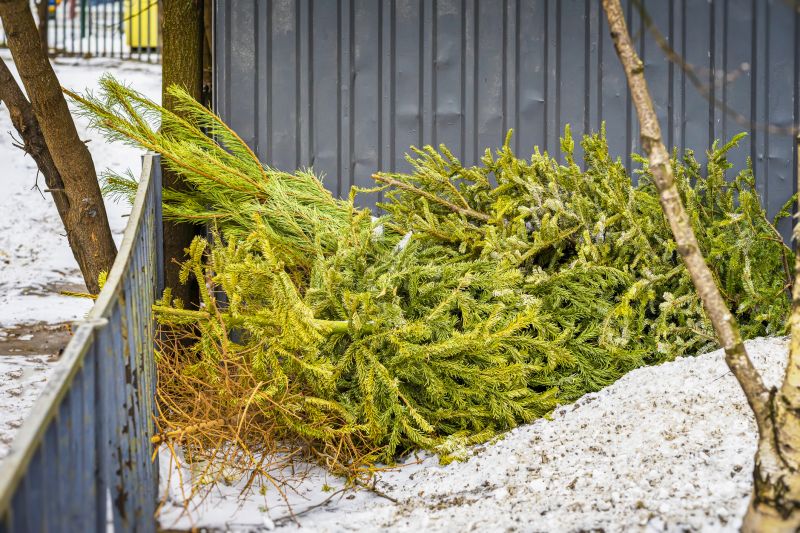
Removing pine trees during winter minimizes damage to surrounding vegetation and reduces pest activity.

Spring is suitable when trees are still dormant, allowing for easier removal and less stress on the landscape.
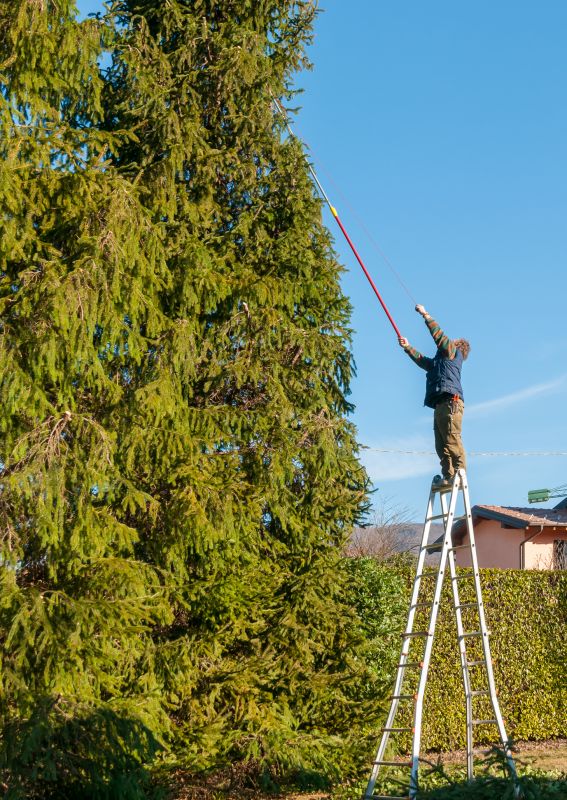
Summer removals are possible but may be more challenging due to active growth and higher risk of pests.
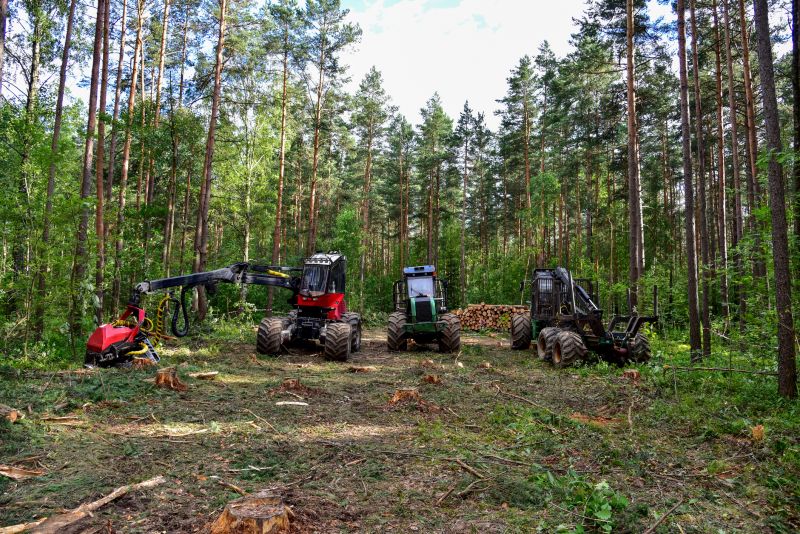
Ways to make Pine Tree Removals work in tight or awkward layouts.
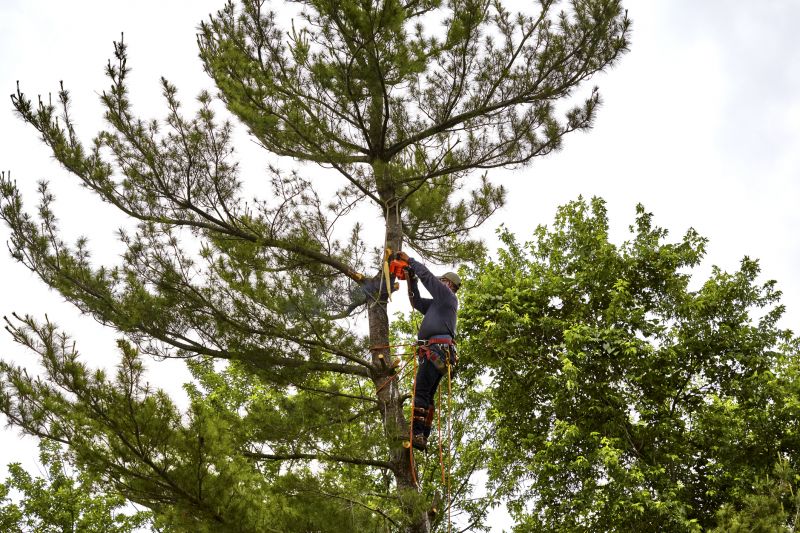
Popular materials for Pine Tree Removals and why they hold up over time.
Simple add-ons that improve Pine Tree Removals without blowing the budget.
High-end options that actually feel worth it for Pine Tree Removals.
Finishes and colors that play nicely with Pine Tree Removals.
Pine tree removals are influenced by seasonal factors that impact safety, tree health, and landscape preservation. The optimal timing depends on the specific goals of the removal process, environmental conditions, and the health status of the trees. Proper timing can reduce risks associated with pests, disease spread, and damage to nearby plants.
Removing pine trees during dormancy minimizes stress and reduces the likelihood of pest infestations.
Dry weather conditions are preferable for safe and efficient removal, avoiding the risks associated with wet or stormy periods.
Timing removals outside of peak growth periods helps ensure healthier regrowth or prevents unnecessary damage.
Seasonal wildlife activity, such as bird nesting, should be considered to avoid disrupting ecosystems during removal.
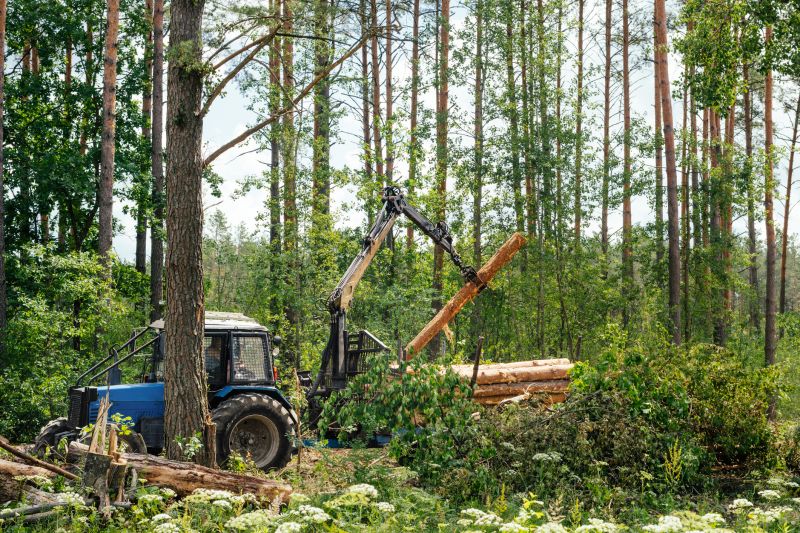
Specialized tools and machinery are used for safe and efficient removal of pine trees.
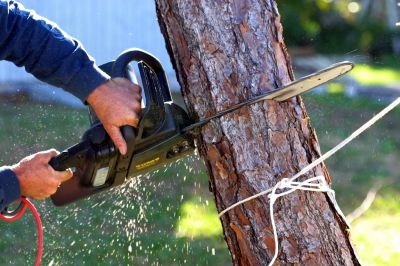
The process involves careful planning to prevent damage to surrounding structures and vegetation.
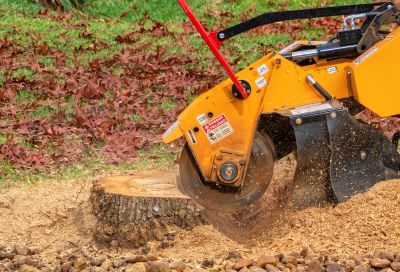
Stump removal is often performed after tree cutting to prevent regrowth and maintain landscape aesthetics.
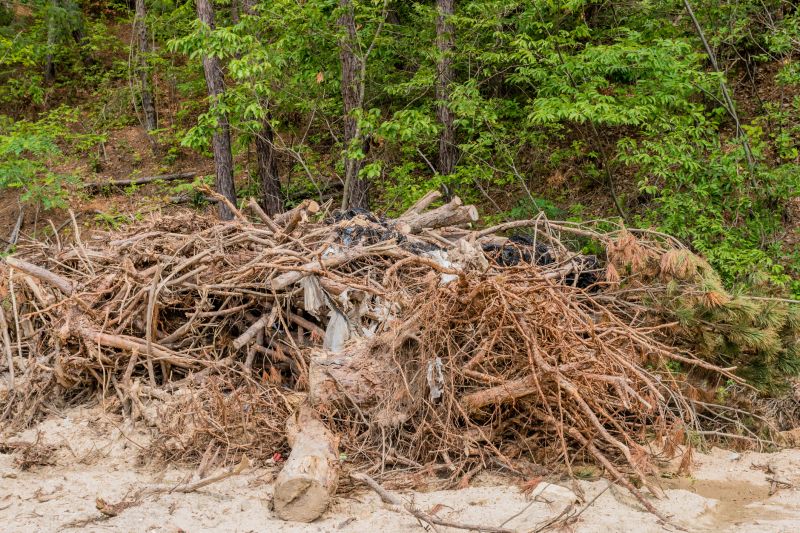
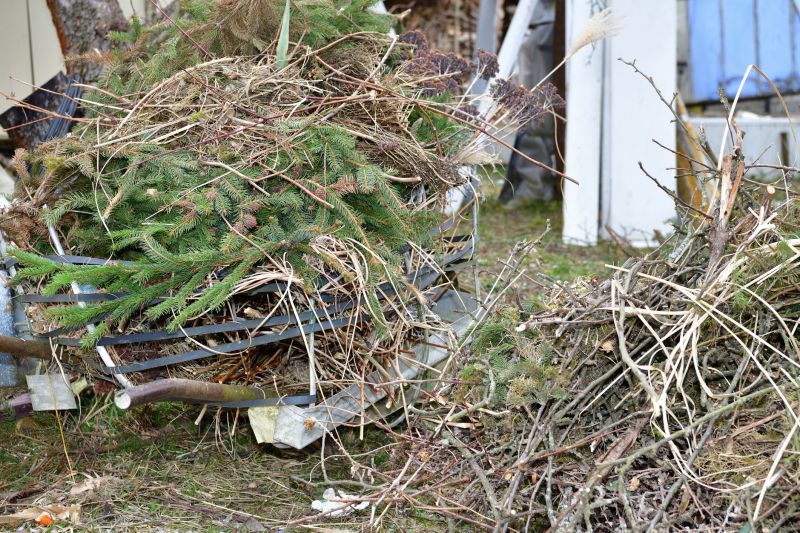
Proper disposal methods include chipping, hauling, or recycling wood debris.
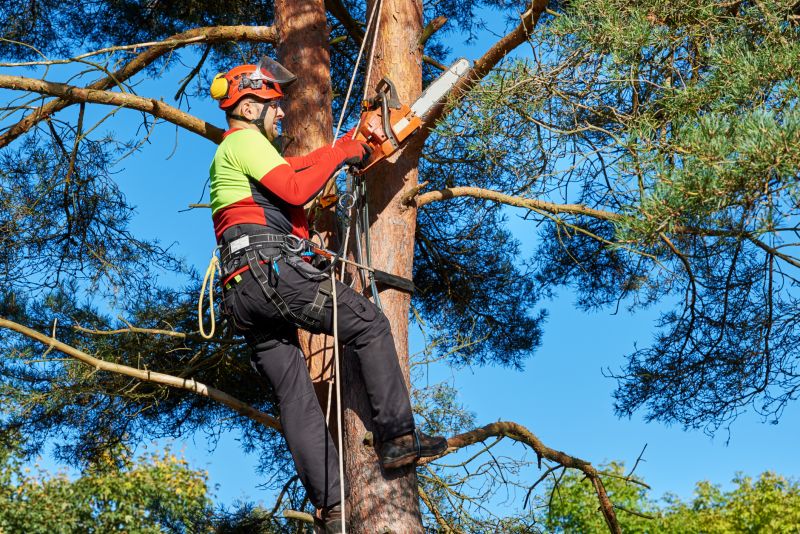
Operators wear protective gear to ensure safety during removal procedures.
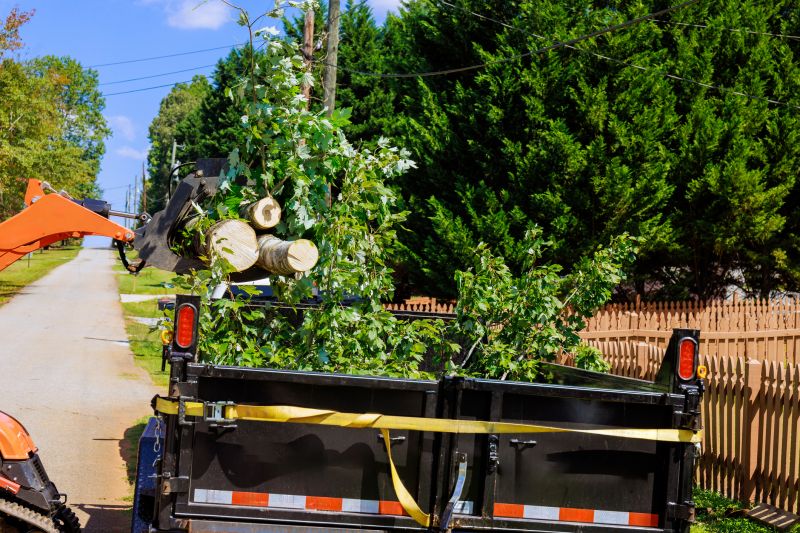
Restoration work may include soil leveling, planting, or other landscaping tasks.
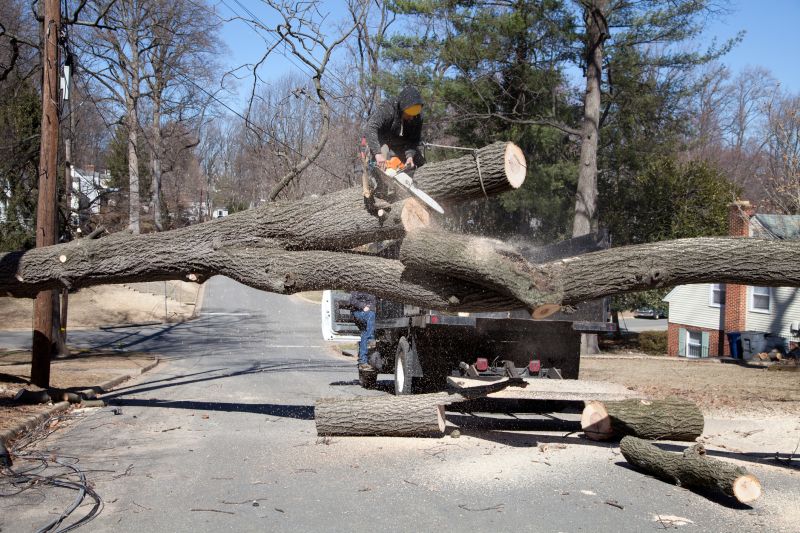
Assessing tree health helps determine the best removal timing and method.
Removal timing considers minimizing environmental disruption and maintaining ecosystem balance.

Little measurements that prevent headaches on Pine Tree Removals day.
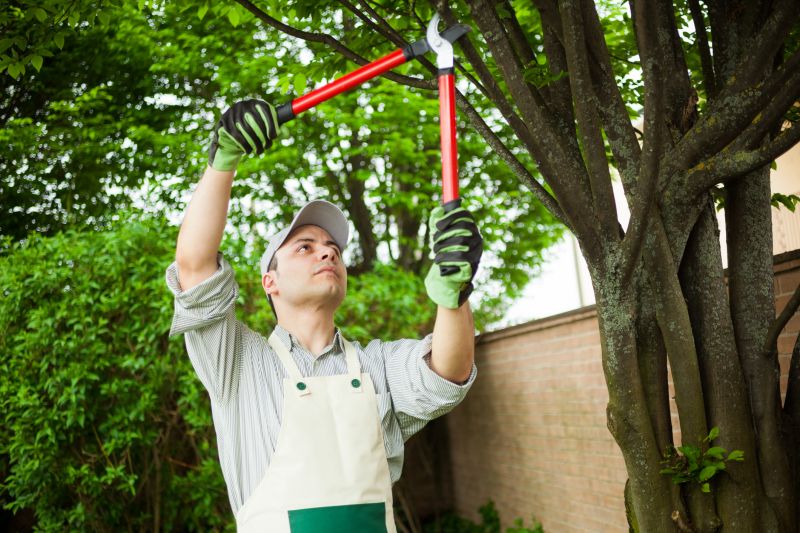
A 60-second routine that keeps Pine Tree Removals looking new.
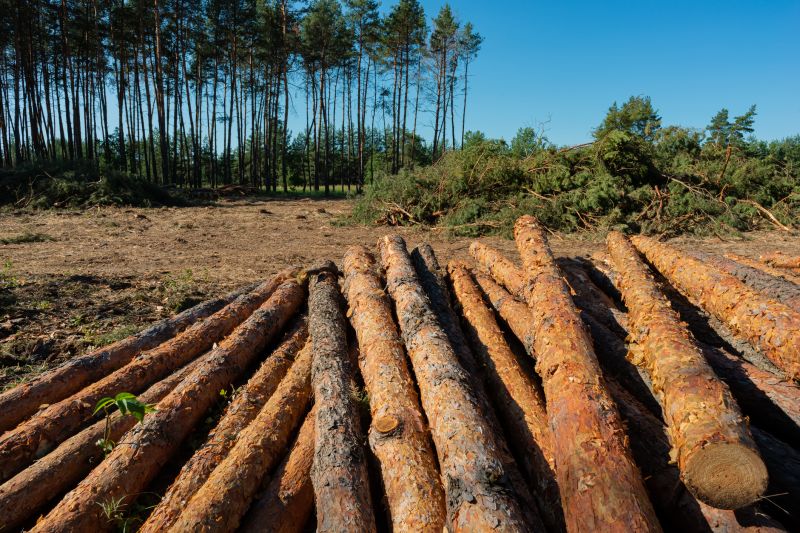
A frequent mistake in Pine Tree Removals and how to dodge it.
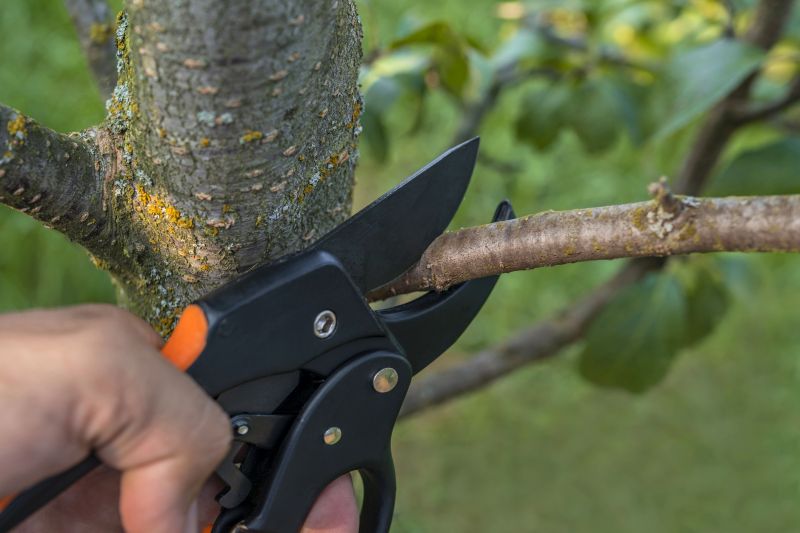
Small tweaks to make Pine Tree Removals safer and easier to use.
| Season | Best Practice |
|---|---|
| Winter | Ideal for dormant trees; minimizes landscape disruption. |
| Spring | Suitable when trees are still dormant; allows for healthy removal. |
| Summer | Possible but more challenging due to active growth. |
| Fall | Acceptable if weather conditions are dry and stable. |
| Rainy Season | Generally avoided due to safety risks and equipment challenges. |
Understanding the timing for pine tree removals is essential for safety, efficiency, and landscape health. Seasonal considerations help mitigate risks associated with pests, weather, and wildlife activity. Consulting with a professional can provide tailored advice based on specific environmental conditions and tree health status.
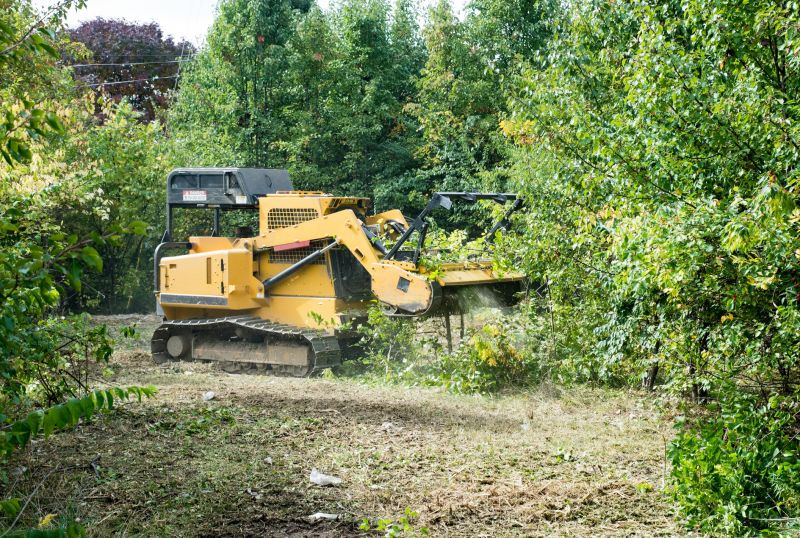
Heavy machinery efficiently removes large pine trees with minimal ground disturbance.
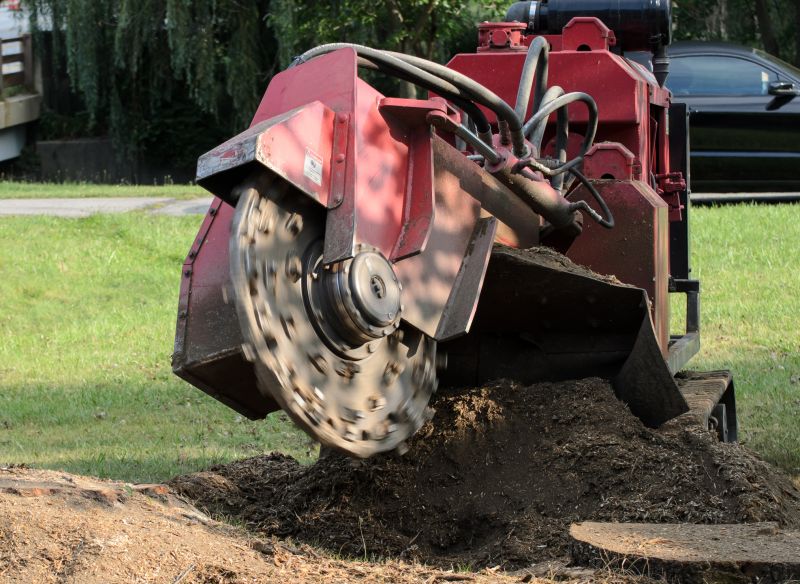
Specialized equipment ensures complete stump removal for landscape restoration.
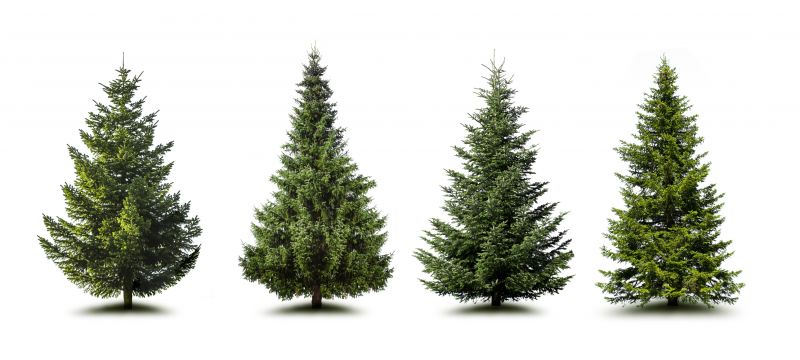
Lower-waste or water-saving choices for Pine Tree Removals.
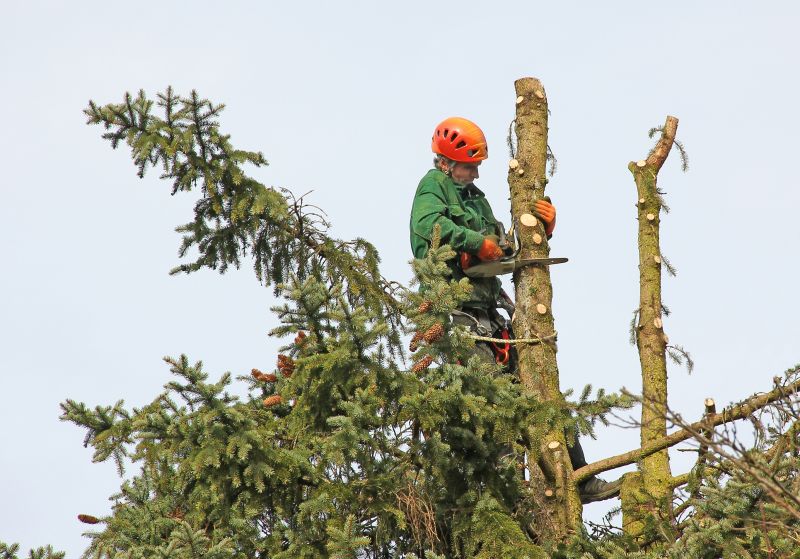
Proper safety protocols are followed during all stages of removal.
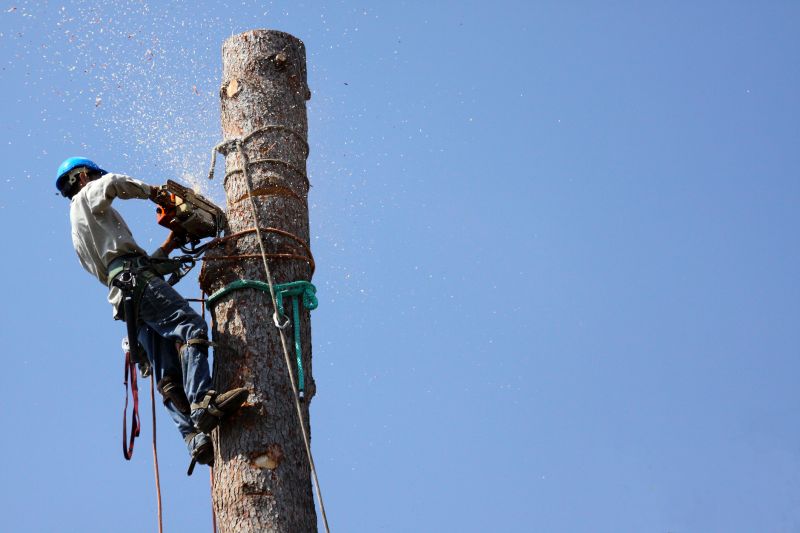
The short, realistic tool list for quality Pine Tree Removals.
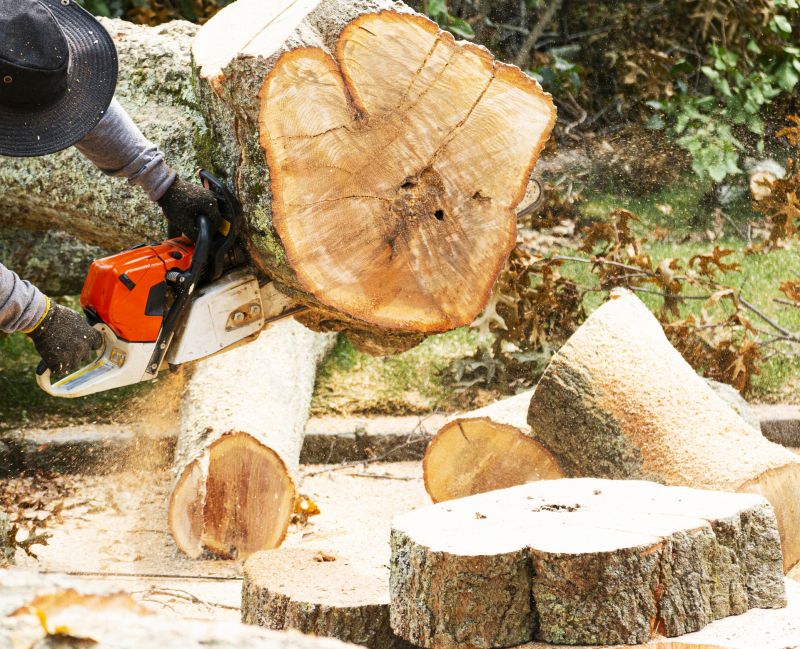
Rough timing from prep to clean-up for Pine Tree Removals.
Quick checks and paperwork to keep after Pine Tree Removals.
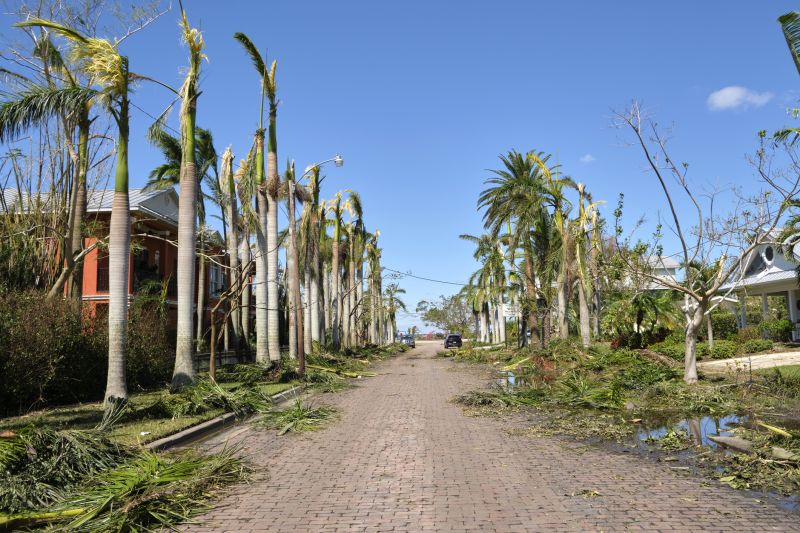
Examples that show the impact a good Pine Tree Removals can make.
Choosing the right time for pine tree removal can influence both the safety of the operation and the health of remaining landscape features. Timing, weather, and tree condition are critical factors in planning successful removals that meet environmental and aesthetic goals.
Interested in scheduling a pine tree removal? Filling out the contact form provides an opportunity to discuss specific needs and receive tailored guidance on the best timing and procedures for your landscape.